
About Verva
Making AI writing more human
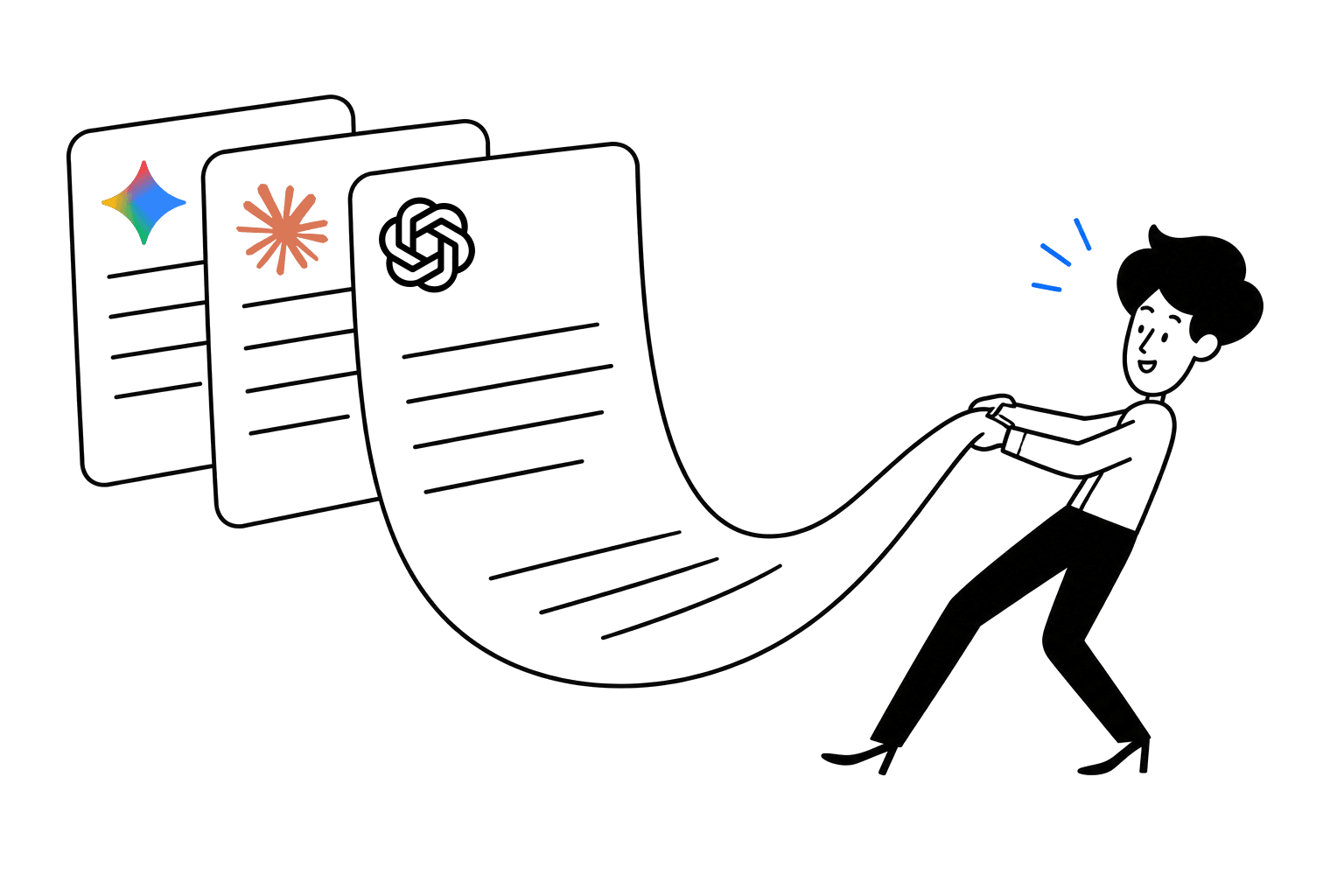
It started with ChatGPT
On November 30, 2022, ChatGPT launched and forever changed the way people write. You could describe a topic and get an entire piece of writing back in seconds.
An article that would have taken hours was suddenly done before you’d even settled into your chair. We started using it too, and it was hard to imagine going back.
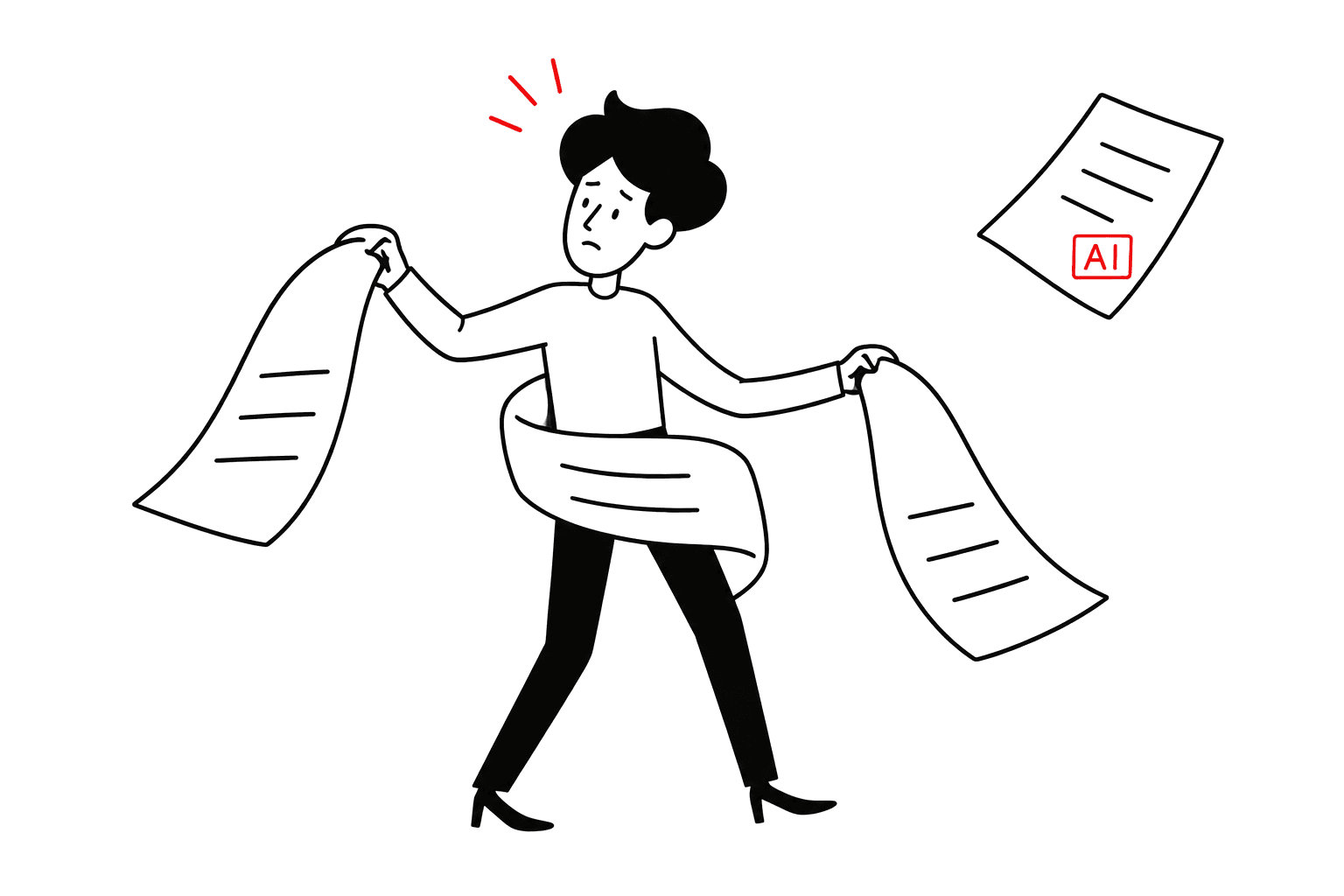
Then came AI detectors
Soon after, AI detectors started appearing. They were built around the idea that AI writing had recognizable patterns. We’d noticed it ourselves when the same phrases kept turning up, no matter what we asked it to write.
We could still spend hours rewriting a draft. Too much of the time we’d saved went straight back into editing.
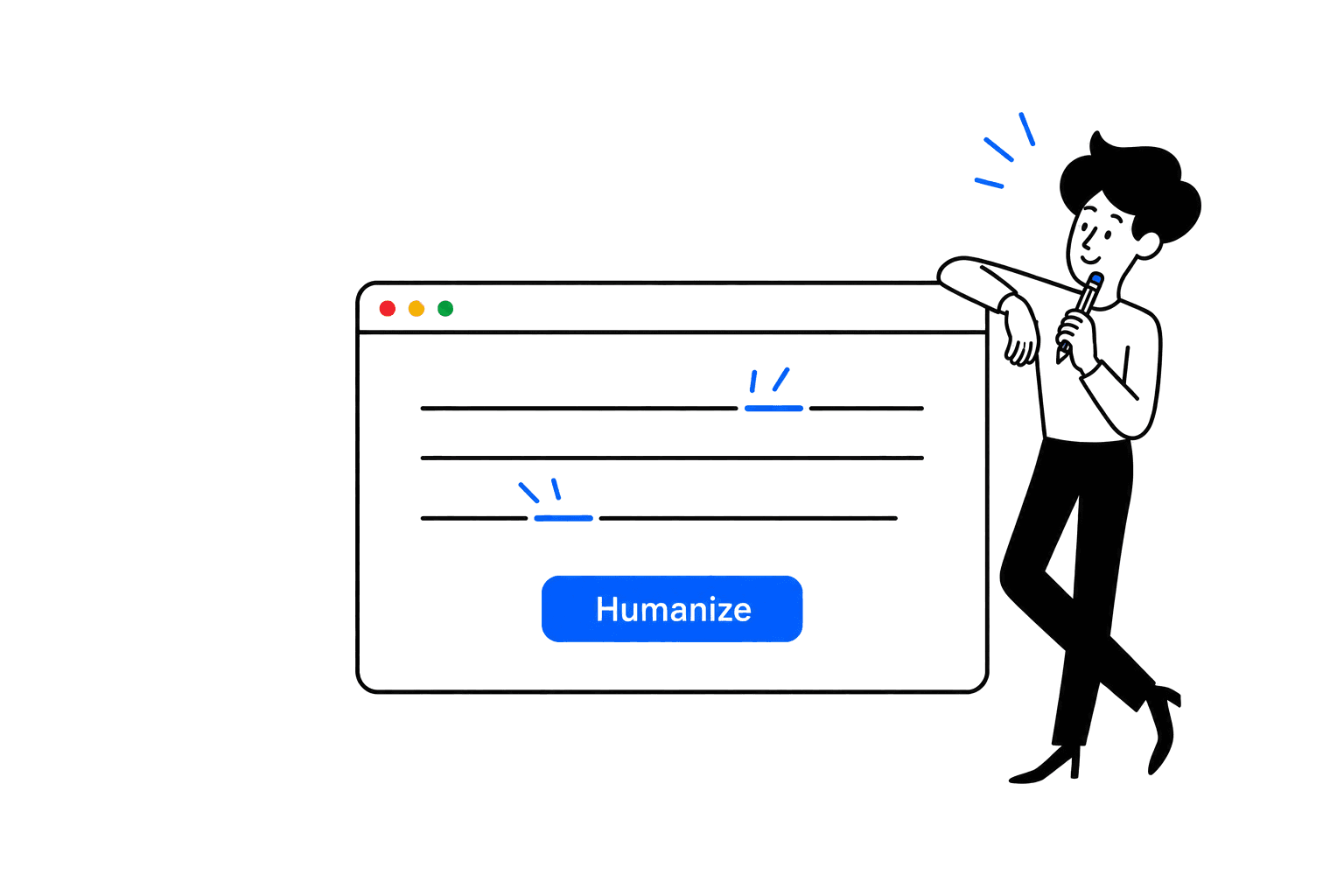
So we launched Verva
We launched Verva in early 2024 to make AI-generated writing sound human and natural, without changing its meaning.
You could bring your text into Verva and humanize it in seconds, instead of going through every sentence by hand.
Now, millions of people use Verva
What started with our own frustration turned out to matter to a lot of other people too. Verva has grown far beyond where we began in 2024.
There’s more work ahead. AI writing keeps changing, and we’re continuing to improve Verva along with it.
“The best writing is rewriting.”